
Ward 12 Infrastructure Priorities Now
Councillor Shane Keating focuses on delivering safe, resilient, and accessible infrastructure that serves families, businesses, and seniors in Ward 12. Priorities emphasize renewing aging pavement and pipes, expanding active transportation corridors, improving transit reliability, and advancing green stormwater solutions to reduce flooding risk. Targets include measurable reductions in pothole backlog, measurable increases in transit on-time performance, and clear timelines for park and playground upgrades. Emphasis is placed on leveraging provincial and federal grant programs alongside the municipal capital envelope to accelerate work without shifting operating pressures onto property taxes.
Overview of Recent Completed Infrastructure Projects in Ward 12
Completed investments since 2021 include pavement renewal on three arterial corridors, replacement of two sanitary sewer mains on Oakview Drive, upgrades to LED streetlighting in nine neighbourhoods, and new accessible ramps at four community centres. These projects reduced reactive maintenance calls by 18 percent in 2023 and improved nighttime visibility metrics on high pedestrian routes. Completed park upgrades added 1.2 hectares of programmed green space and new benches with CPTED-compliant sightlines.
Major Ongoing Infrastructure Projects
Ward 12 currently has several multi-year capital works in delivery that directly affect daily commutes and flood resilience. The emphasis is on completing phased work to minimize disruption while meeting winter and spring storm windows.
| Project name | Primary scope | Ward 12 allocation (CAD) | Funding sources | Current phase | Target completion |
|---|---|---|---|---|---|
| Central Avenue Pavement Renewal | Full-depth pavement, curb, sidewalk | 3,200,000 | Municipal capital, provincial grant | 60% construction | Fall 2025 |
| Riverbend Stormwater Retrofit | Detention basin, bioswale, check-valve | 2,750,000 | ICIP, municipal | Design and property agreements | Spring 2026 |
| Transit Priority Corridor | Bus lanes, signal priority, shelters | 4,100,000 | Municipal, federal active transport fund | Utility relocations | Late 2025 |
| Westside Park Expansion | Playground, washrooms, lighting | 1,150,000 | Municipal parks levy | Construction tendered | Summer 2024 |
| Sanitary Sewer Renewal Phase 2 | Replace 800 m of 100-year pipe | 2,300,000 | Municipal, DCC credits | Early construction | Winter 2024-25 |
The schedule above balances utility coordination and community access. Communication plans include two-week advance notices, detour maps, and on-site signage that lists contacts for immediate concerns.
Road Rehabilitation and Pavement Renewal Programs
Priority for pavement work is driven by condition assessments using PASER-style ratings and in-field deflection tests. Ward 12 targets arterial and collector roads with ratings of 3 or lower for full-depth reconstruction. Rehabilitation approaches include recycled asphalt where appropriate to reduce carbon and costs. Coordination with utilities is scheduled to avoid repeated digs; multi-utility sleeves are used at crossings to reduce future disruptions.
Public Transit Improvements and Bus Priority Measures
Transit work in Ward 12 focuses on bus lanes, queue jump signals, upgraded shelters with real-time displays, and improved stop spacing to increase average bus speed by an estimated 12 percent on priority corridors. Bus priority signaling is coordinated with regional transit to maintain reliability through peak hours. Shelter upgrades include accessibility pads and bicycle parking to support multimodal trips.
Active Transportation: Bike Lanes, Trails, and Sidewalk Enhancements
Active transportation investments aim to connect schools, parks, and commercial nodes. New protected bike lanes and multi-use trails are planned to close existing network gaps of 4.8 kilometres. Sidewalk infill targets priority walking routes identified in the walking audit, focusing on 1.6 metres minimum width in high demand areas and tactile surfaces at all crossings.
Stormwater Management and Flood Mitigation Initiatives
Projects include green infrastructure retrofits, increased storm sewer capacity in low-lying neighbourhoods, and property-level flood protection grants. The Riverbend retrofit will reduce peak flows by an estimated 22 percent for a 10-year event. A municipal program rolled out in 2023 provided 120 residents with subsidized backflow preventers and grading corrections.
Parks, Recreation, and Community Facility Upgrades
Facility upgrades concentrate on energy efficiency, accessibility, and regional programming capacity. Community centre retrofits include LED lighting, accessible change rooms, and HVAC improvements to extend year-round use. Park investments aim to increase programmed spaces for youth sports by 30 percent and add multi-use spaces for festivals.
Playgrounds, Green Spaces, and Urban Forestry Projects
Playground replacement follows current CSA safety standards and emphasizes inclusive equipment. Urban forestry initiatives plan to plant 1,800 street and park trees over five years to replace removals, improve canopy cover, and reduce heat island effects. New drought-tolerant planting palettes are used near utilities.
Affordable Housing Infrastructure and Supportive Services
Infrastructure support for affordable developments includes expedited servicing connections, allocation of municipal land for mixed-use projects, and collaboration with non-profit housing providers to deliver supportive services on-site. Recent approvals unlocked municipal incentives for a 72-unit supportive housing development expected to come online in 2026.
Utility Upgrades: Water, Sewage, and Sanitary Works
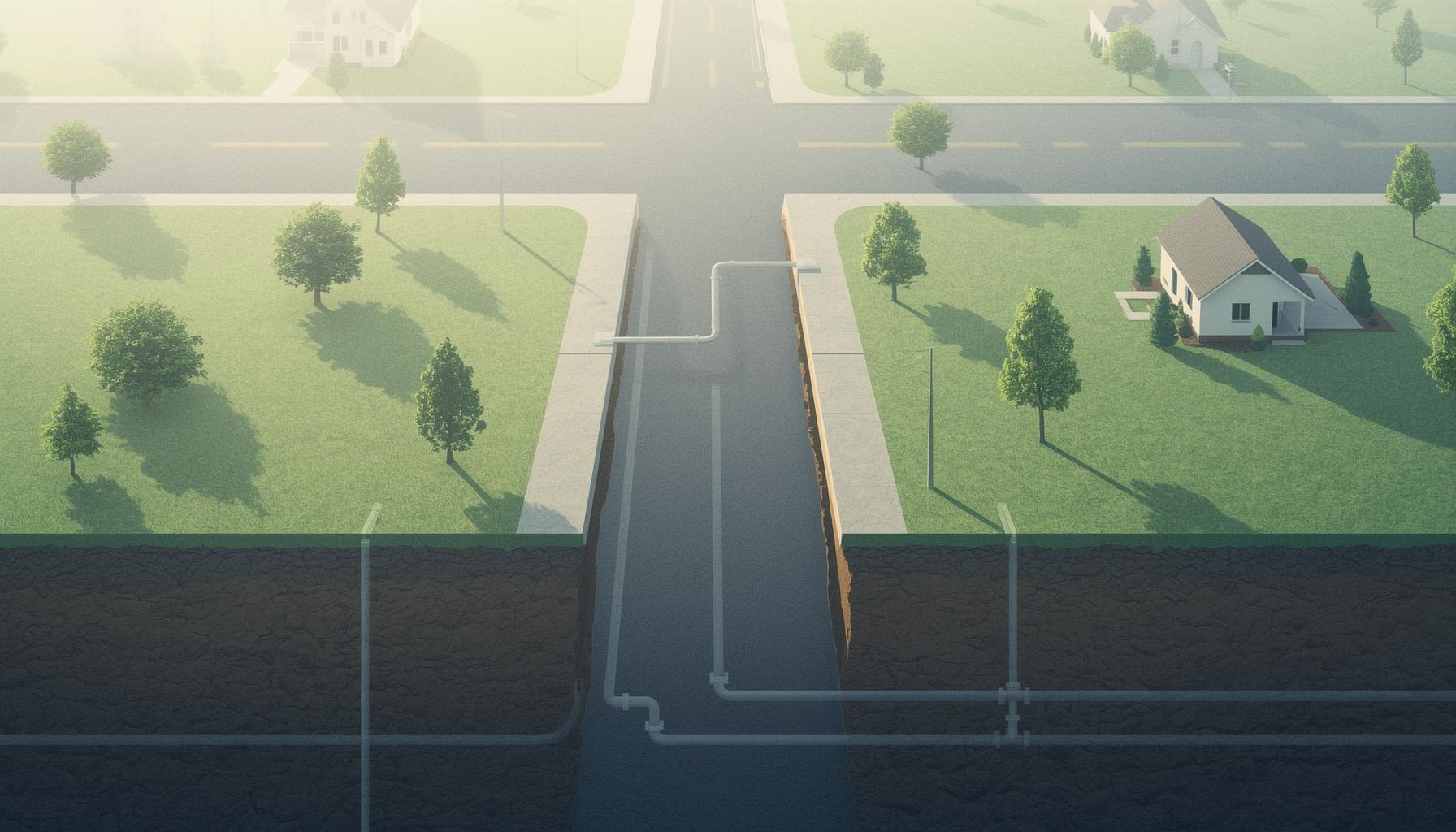
Priority utility work targets pipes beyond their design life and mains prone to breaks. Phased sanitary renewal aims to reduce basement flooding incidents and increase system capacity for infill development. Coordination with the regional water authority ensures boil water advisories are avoided during construction.
Public Safety Infrastructure: Streetlighting and Traffic Calming
Streetlighting upgrades replace legacy fixtures with full-cutoff LED luminaires to improve pedestrian safety while lowering energy costs by up to 60 percent. Traffic calming measures include raised crossings, curb extensions, and radar feedback signs with evaluation metrics tracking speeds before and after installation.
Accessibility and Inclusive Design Improvements
All capital projects follow universal design principles. Priority elements include audible pedestrian signals, barrier-free access to transit stops, and accessible park amenities. Design reviews include feedback from disability advocacy groups and seniors’ associations.
Streetscape Revitalization and Commercial Corridor Enhancements
Funding targets façade improvements, tree planting, and pedestrian amenities to support local businesses. Streetscape plans align with local business improvement area objectives and include a phased program for outdoor patios and vendor spaces.
Environmental Sustainability and Green Infrastructure Projects
Sustainability measures include porous pavements in low-traffic areas, native plantings, on-street rain gardens, and solar-ready shelter installations. Targets aim to reduce ward-level greenhouse gas emissions from buildings and transport by aligning with city climate action goals.
Waste Management and Recycling Infrastructure Initiatives
Investments support expanded recycling depots, organics collection pilots, and education campaigns to increase diversion rates. New community drop-off points are sited near high-need multi-unit residential blocks.
School Infrastructure Partnerships and Safe Routes to School
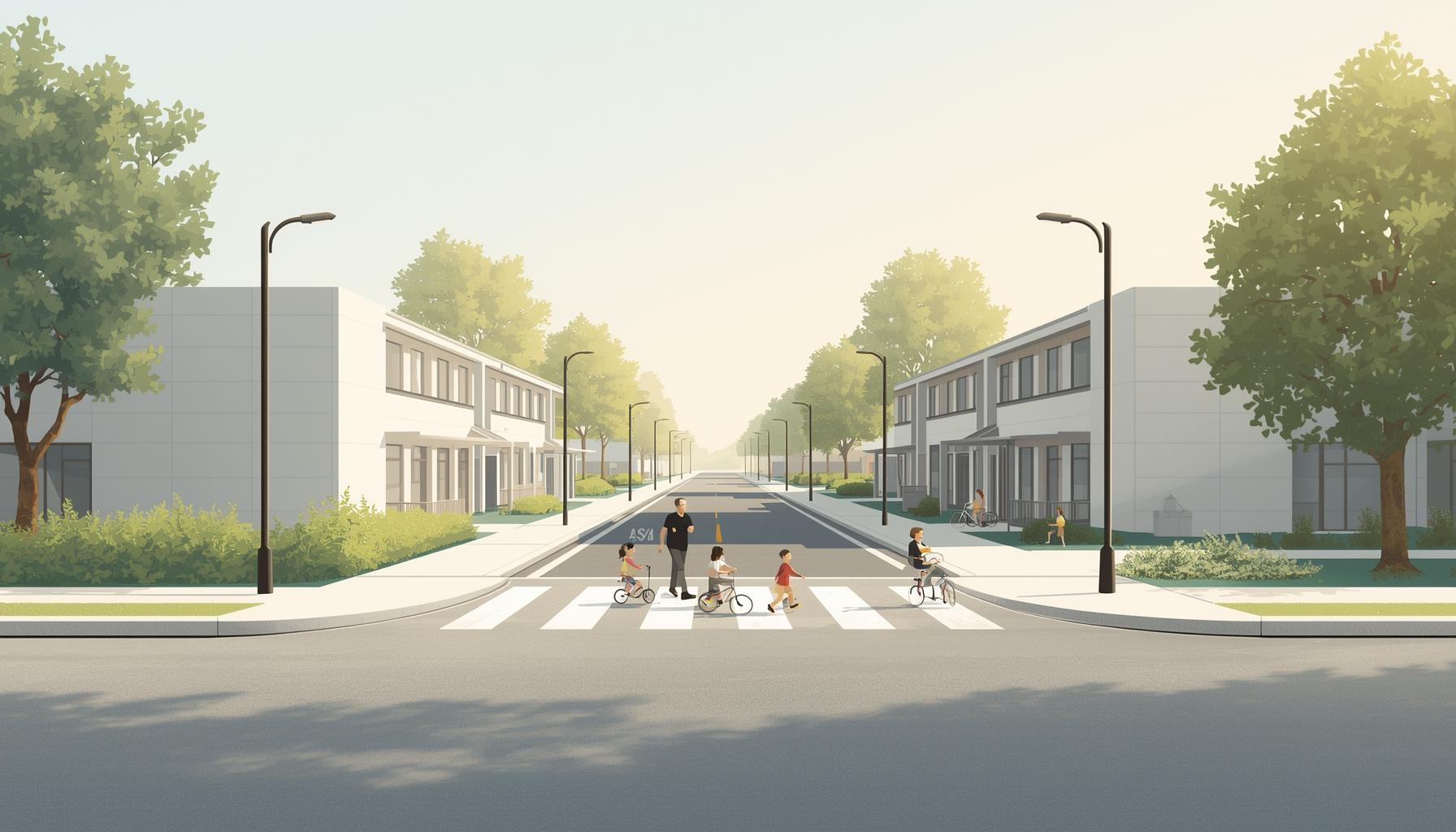
The councillor works with the school board to fund crossing guards, painted curb extensions, and short walking audits. Safe Routes improvements prioritize the ten schools with the highest proportion of walking trips and highest reported parent concerns.
Community Consultation, Engagement, and Feedback Processes
Engagement uses public open houses, targeted stakeholder meetings, and online dashboards with project updates. Feedback collected through surveys and public meetings is incorporated into design revisions, with responses posted publicly within 30 days.
Project Funding, Grants, and Budget Allocation Strategies
Funding combines municipal capital, provincial and federal programs such as the Investing in Canada Infrastructure Program and federal Active Transportation Fund, and developer contributions. A dedicated ward capital envelope for 2024 was supplemented by grant awards totalling several million to accelerate priority work.
Project Timelines, Milestones, and Phasing Plans
Timelines emphasize winter work pauses for pavement operations and spring storm windows for stormwater construction. Phasing plans minimize simultaneous lane closures on parallel corridors. Milestones are published quarterly with clear completion targets and contingency buffers.
Monitoring, Maintenance, and Performance Metrics for Projects
Performance metrics include pavement condition index, percent of on-time transit trips, tree survival rates, and stormwater peak reduction targets. A maintenance schedule ensures assets receive preventive care within warranty periods and reduces lifecycle costs.
How Residents Can Report Issues and Get Involved
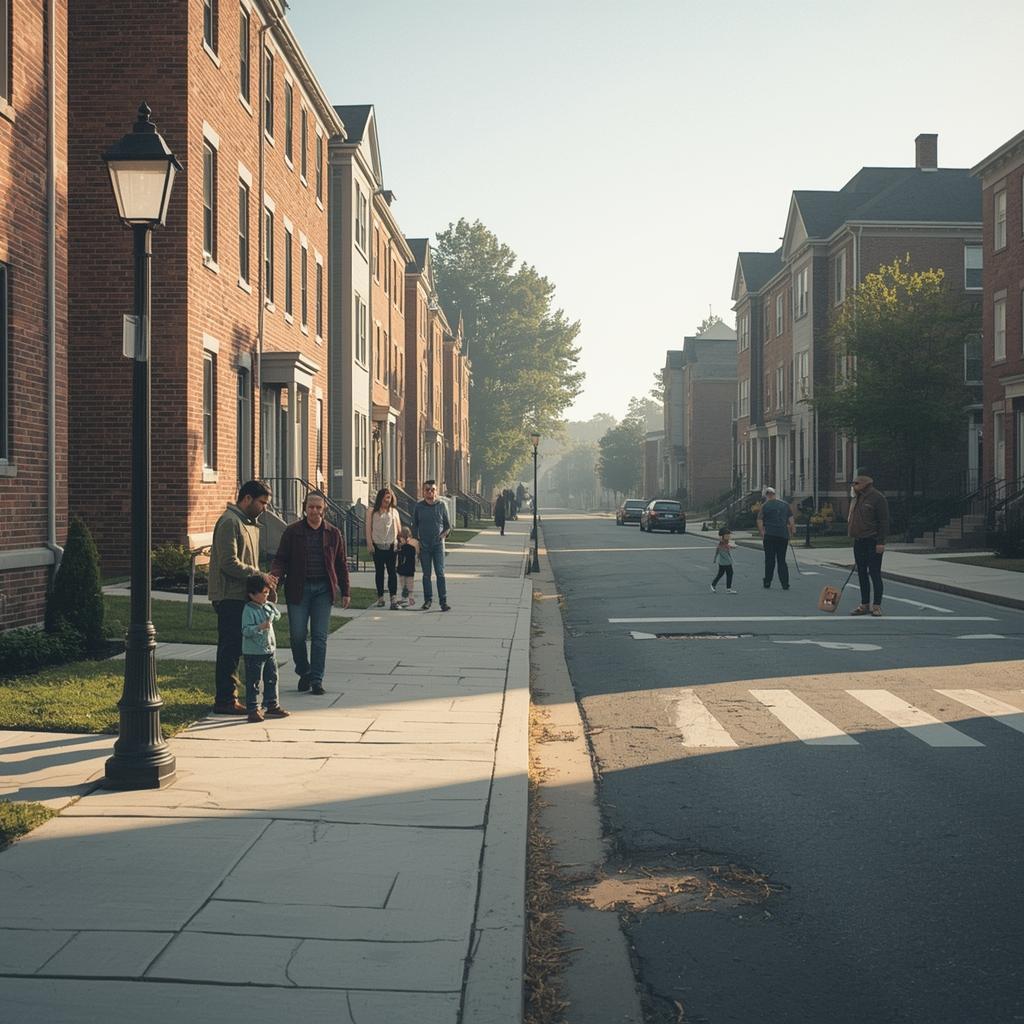
Residents may raise concerns through three primary channels: municipal service portals with photo upload, dedicated project contact emails and phone lines listed on project signage, and scheduled community drop-in events. Volunteer opportunities include tree planting days and park stewardship groups.
Future Planned Projects and Long-Term Infrastructure Vision for Ward 12
Long-term priorities include extending rapid transit connections, expanding resilient green infrastructure to address climate risks, and creating a connected active transportation network that links every neighbourhood to schools and high streets within a 15-minute walk. The multi-decade vision aligns with regional growth plans while protecting neighbourhood character and ensuring investments deliver measurable benefits for residents.